
Vinyl Decking vs Composite Decking: What Works Best in Vancouver?
Choosing the right decking material for your Vancouver home can feel overwhelming with so many options available today. The vinyl decking vs composite decking debate continues among homeowners, with both materials promising low maintenance and long lasting performance, but delivering very different results in our wet Pacific Northwest climate. Understanding these differences before you invest thousands of dollars could save you from costly mistakes and years of frustration.
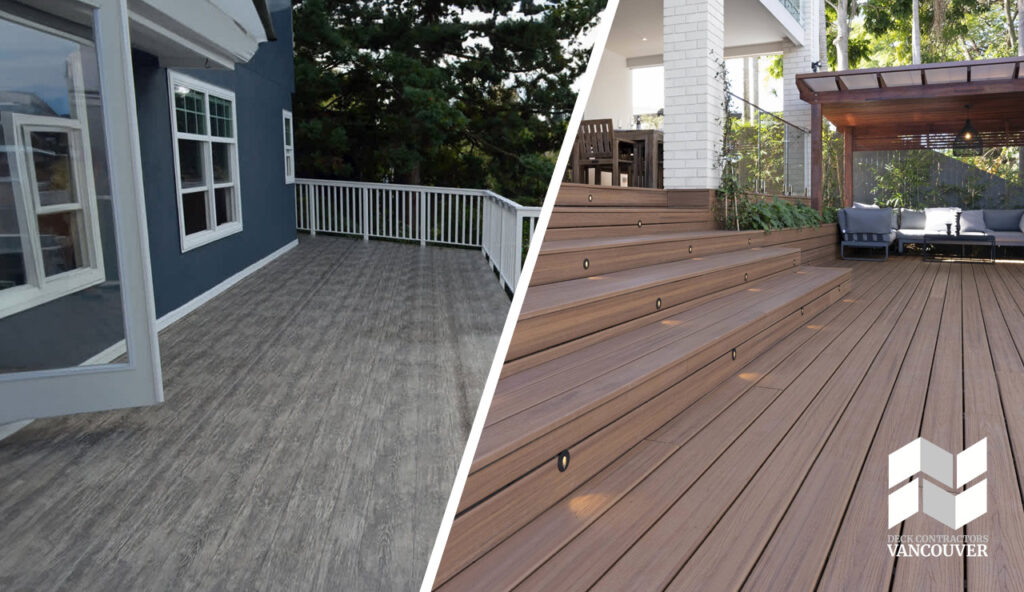
Most homeowners focus only on upfront costs when comparing vinyl decking vs composite decking, missing the bigger picture of maintenance expenses, lifespan, and real world performance in Vancouver’s rainy conditions. This guide breaks down everything you need to know, from moisture resistance to aesthetic options, helping you make the smartest choice for your outdoor space and budget.
Understanding Vinyl and Composite Decking Materials
Vinyl decking is manufactured entirely from polyvinyl chloride (PVC), a synthetic plastic polymer that contains no organic materials whatsoever. This fully plastic composition makes vinyl decking incredibly resistant to moisture, rot, and insect damage. Modern vinyl decking has evolved significantly, now offering realistic wood grain textures and authentic appearances while maintaining superior durability. The absence of any wood fibers means water simply cannot penetrate the material, making it an excellent choice for wet climates like Vancouver.
Composite decking takes a different approach by blending wood fibers or sawdust with plastic polymers, typically polyethylene or polypropylene. Most composite boards contain between 50% to 95% recycled wood content mixed with recycled plastic materials.
Many premium composite products feature a protective plastic cap that shields the core from the elements. Both materials have surged in popularity because they eliminate the constant maintenance demands of traditional wood decking. Homeowners in Vancouver particularly appreciate not having to spend weekends staining and sealing, instead enjoying more time actually using their outdoor spaces.
Vinyl Decking vs Composite Decking Cost Comparison
When comparing upfront costs, composite decking typically ranges from $8 to $12 per square foot for materials, while vinyl decking usually costs between $10 to $15 per square foot. This price difference makes composite appear more budget friendly initially, but the complete financial picture requires looking beyond just the purchase price. Quality matters significantly in both categories, with premium composite brands approaching vinyl prices while offering better performance than entry level options.
| Cost Factor | Vinyl Decking | Composite Decking |
|---|---|---|
| Material Cost (per sq ft) | $10 to $15 | $8 to $12 |
| Installation Labor (per sq ft) | $5 to $8 | $5 to $8 |
| Annual Maintenance | Under $50 | $200 to $500 |
| Expected Lifespan | 50+ years | 25 to 30 years |
| Warranty Coverage | 25 to 50 years | 15 to 25 years |
| Resale Value Added | 70% to 80% | 70% to 80% |
The long term cost equation shifts dramatically when you factor in maintenance expenses and lifespan. Over 30 years, composite decking’s higher annual maintenance costs and earlier replacement needs can make vinyl the more economical choice despite its higher initial investment.
Durability and Lifespan Expectations
Vinyl decking offers an impressive lifespan of 50 years or more with minimal maintenance, while composite decking typically lasts 25 to 30 years before requiring replacement. This significant difference stems from vinyl’s completely synthetic composition, which doesn’t degrade or break down like the wood fibers found in composite materials. Most vinyl manufacturers back their products with warranties of 25 to 50 years, compared to 15 to 25 year warranties for composite decking.
Vancouver’s wet climate creates unique challenges that favor vinyl’s performance capabilities. Composite decking can absorb small amounts of moisture through its wood fiber core, potentially leading to mold growth, expansion, and eventual degradation in our rainy environment. Vinyl remains completely impervious to water, preventing any moisture related damage regardless of how much rain your deck endures. Temperature fluctuations between Vancouver’s mild winters and warm summers affect both materials, but vinyl maintains dimensional stability better than composite, which can experience slight expansion and contraction.
Both materials resist fading from UV exposure better than traditional wood, though vinyl generally retains its original color longer without showing wear patterns. Warping and cracking rarely occur with quality vinyl products, while composite boards can develop surface cracks or warping if water penetrates the protective cap layer. For homes near the coast in areas like White Rock or West Vancouver, vinyl’s resistance to salt air corrosion makes it particularly valuable, as composite materials can show accelerated wear in marine environments where salt and moisture combine.
Maintenance Requirements and Care
Vinyl decking requires minimal effort to maintain, needing only occasional washing with soap and water to remove dirt and debris. There’s no need for staining, sealing, or refinishing at any point during its lifetime. In Vancouver’s rainy climate, a quick rinse a few times per year keeps vinyl looking fresh, and mold or mildew wipes away easily without special treatments or harsh chemicals.
Composite decking demands more attention, particularly in our wet Pacific Northwest environment. While it doesn’t require staining like wood, composite boards need regular cleaning to prevent mold and mildew buildup between the grooves and textured surfaces. Most homeowners should plan on power washing their composite deck at least twice yearly and applying mold prevention treatments as needed. This ongoing maintenance adds up to several hours of work and a few hundred dollars annually compared to vinyl’s simple rinse and forget approach.
Weather and Climate Performance
Vinyl decking excels in Vancouver’s challenging weather conditions thanks to its zero water absorption rate. The completely synthetic material sheds rain instantly, preventing moisture related damage even during our wettest winter months. Composite decking absorbs small amounts of water, typically 1% to 5% of its weight, which can lead to swelling, mold growth, and surface deterioration over time in our consistently damp climate.
Key Climate Performance Factors:
- Vinyl absorbs 0% moisture while composite can retain water in wood fibers
- Both materials resist UV fading, but vinyl maintains color consistency longer
- Composite can become uncomfortably hot in direct summer sun, sometimes 30 to 40 degrees warmer than vinyl
- Vinyl remains stable in temperature swings from freezing winters to warm summers
- Vancouver’s high humidity accelerates mold growth on composite surfaces
- Heavy rainfall causes no damage to vinyl but can penetrate damaged composite capping
Vancouver homeowners particularly benefit from vinyl’s moisture immunity during our prolonged rainy seasons from October through April. While composite performs adequately in drier climates, the constant exposure to rain and humidity in our region highlights vinyl’s superior resistance to the environmental challenges that define West Coast living.
Installation Process and Considerations
Both vinyl and composite decking can be installed by experienced DIYers, though most Vancouver homeowners prefer hiring professionals to ensure proper water drainage and structural integrity. Composite decking is slightly heavier and requires pre-drilling to prevent cracking, while vinyl’s lighter weight and flexibility make it somewhat easier to cut and handle. Neither material demands highly specialized skills, but understanding proper spacing for expansion and contraction is critical for long term performance.
Vinyl decking weighs approximately 30% less than composite, which can reduce structural support requirements and make handling easier during installation. Standard tools like circular saws, drills, and levels work for both materials, though composite often needs carbide tipped blades due to its denser composition.
Hidden fastener systems are popular with both options, creating a clean, screw free surface that enhances appearance and safety. Installation timelines in Vancouver run similar for both materials, typically taking 3 to 7 days for an average sized deck depending on complexity and weather conditions. Rain delays can interrupt composite installation more than vinyl, as composite materials shouldn’t be installed when wet. Local contractors familiar with Vancouver’s climate know to schedule vinyl projects with more flexibility, while composite installations require careful weather monitoring to avoid moisture issues during the build process.
Aesthetic Options and Design Flexibility
Modern vinyl decking offers an impressive range of colors from classic wood tones like cedar and mahogany to contemporary grays and multi-tonal finishes. Advanced manufacturing techniques create realistic wood grain patterns and textures that closely mimic natural lumber, making it difficult to distinguish quality vinyl from real wood at a glance. Composite decking provides similar variety with earth tones and rich browns, though the wood fiber content gives it a naturally authentic appearance that some homeowners prefer. Both materials come in various board widths and can incorporate different railing styles, lighting options, and border designs to create custom outdoor spaces.
Over time, vinyl maintains its original color and texture for decades with minimal fading. Composite decking develops a weathered, slightly faded appearance within the first few years as UV exposure affects the surface. Vancouver’s intense rainfall can also cause composite surfaces to develop uneven coloring or water stains, whereas vinyl resists these cosmetic issues completely.
Safety Features and Surface Performance
Slip resistance becomes crucial in Vancouver’s wet climate, where decks stay damp for months. Quality vinyl decking features textured surfaces that provide excellent traction even when soaked, while composite can become slippery when wet, especially as algae or mildew develops in the grooves. This makes vinyl particularly safer for families with children or elderly residents who use the deck year round.
Heat retention differs significantly between materials on sunny summer days. Composite decking absorbs and holds heat, sometimes becoming too hot for bare feet when exposed to direct sunlight. Vinyl stays noticeably cooler to the touch, making it more comfortable for barefoot walking during Vancouver’s occasional heat waves.
Both materials eliminate splinter risks entirely, offering smooth surfaces safe for bare feet unlike traditional wood. Fire resistance ratings meet Vancouver building codes for both options, though vinyl typically receives Class A or Class B ratings while composite varies by brand. Always verify that your chosen material complies with local fire safety requirements, especially in areas with wildfire concerns.
Common Problems and How to Avoid Them
Even the best decking materials can encounter issues if you choose low quality products or skip proper installation. Understanding common problems helps you make smarter decisions and avoid costly mistakes down the road.
Common Decking Issues and Solutions:
- Vinyl surface scratches happen with cheaper products that lack UV inhibitors. Choose premium vinyl with protective coatings and avoid dragging heavy furniture across the surface.
- Composite mold growth occurs when moisture penetrates capped surfaces or accumulates in grooves. Regular cleaning and ensuring proper ventilation underneath prevents this problem in Vancouver’s humid climate.
- Fading and discoloration affect both materials but hit lower quality composites harder. Select brands with proven fade resistance warranties and UV protection technology.
- Warping or sagging boards result from inadequate structural support or improper joist spacing. Follow manufacturer specifications exactly and use appropriate framing for your deck size.
- Expansion and contraction gaps cause problems when installers ignore spacing requirements. Leave recommended gaps between boards to accommodate seasonal temperature changes.
- End grain water absorption in composite decking leads to swelling and rot. Seal all cut ends with approved products before installation to protect the core material.
Extending your deck’s life requires choosing reputable manufacturers, hiring experienced Vancouver contractors familiar with local climate challenges, and following maintenance schedules appropriate for your material. Quality materials cost more upfront but save thousands in repairs and replacements over your deck’s lifetime.
Making the Right Choice for your Vancouver Deck Project
Choosing between vinyl and composite decking depends on your priorities and budget. Vinyl makes the most sense for Vancouver’s rainy climate if you value minimal maintenance, maximum durability, and superior moisture resistance despite higher upfront costs. Composite works well for budget conscious projects where initial savings matter more than long term expenses, or when you prefer a slightly more natural wood appearance.
Vancouver’s extended rainy seasons and high humidity create conditions where vinyl consistently outperforms composite. Consider vinyl for high traffic family decks, poolside installations, or anywhere with constant moisture exposure. Composite might suit covered patio areas with limited rain exposure or secondary decks where budget outweighs performance. Working with experienced Vancouver deck contractors ensures proper installation that maximizes your investment regardless of which material you choose.